
Fluids That Keep You Moving, Whatever the Weather

Today we explore A Seasonal Guide to Vehicle Fluids: Winter vs. Summer Needs, translating temperature swings into smart choices for oil, coolant, brake, transmission, steering, and washer fluids. Expect practical checklists, science-backed tips, and relatable roadside stories that turn routine maintenance into confidence, better drivability, and genuine savings when the forecast flips from freezing dawns to scorching afternoons.

Temperature, Viscosity, and Real-World Driving

When temperatures swing, lubricants and coolants respond dramatically: cold mornings thicken oils, challenge pumps, and raise start-up wear, while summer heat thins protective films and accelerates oxidation. Understanding viscosity index, pour point, and volatility transforms guesswork into planning. A courier I interviewed solved persistent lifter tick by moving to a manufacturer-approved winter grade, instantly improving pressure, noise, and confidence during subzero pre-dawn routes.

Engine Oil Choices That Respect the Weather

Selecting the right oil for January and July means aligning manufacturer approvals with climate, driving style, and service intervals. Synthetics often deliver superior low-temperature flow and high-temperature stability, while conventional oils can suffice for gentle schedules. One family road-tripper reduced fuel use and start-up noise by switching to an approved synthetic and synchronizing changes around seasonal extremes and planned long drives.

Coolant Confidence from Frost to Heatwaves

Chemistry That Guards Against Extremes

Ethylene glycol delivers broad protection and heat transfer, while propylene glycol offers lower toxicity at slight efficiency cost. Inhibitor packages—OAT, HOAT, or P-HOAT—shield water pumps, radiators, and gaskets from corrosion and cavitation. Matching chemistry to manufacturer requirements prevents gasket swelling and gelled sludge. Verify color is not chemistry, log service dates, and use distilled water to avoid mineral scale across seasons.

Hardware That Shares the Load

The pressure cap raises boiling point, the thermostat regulates warm-up and operating range, and the overflow tank captures expansion. Weak caps invite boilover in traffic; sticky thermostats mimic winter overcooling or summer overheating. Inspect hoses for softness, clamps for weeping, and heater cores for sweet smells on defrost. Replace before road trips, not after, and your cabin will stay warm and engines calm.

Testing, Flushing, and Peace of Mind

A refractometer quickly shows freeze and boil protection, while test strips reveal pH and inhibitor health. If numbers drift, schedule a full flush, burp air diligently, and confirm fans cycle with A/C engaged. Mark mileage, date, and mixture on the reservoir. Engage family helpers, because explaining the why behind those colors and numbers turns chores into confidence—and roadside steam into a forgotten memory.

Stopping Power and Hydraulic Health
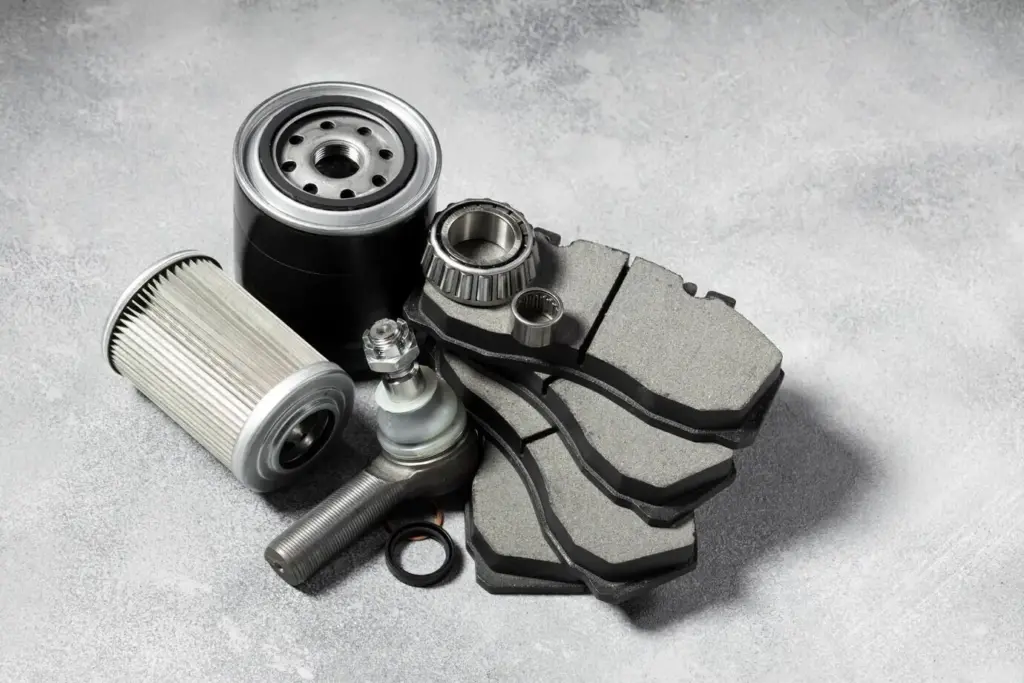
Brake fluid quietly absorbs moisture every season, lowering boiling points and inviting corrosion in calipers and ABS valves. Cold mornings can stiffen seals; summer descents can fade pedals. Matching DOT ratings to specifications, scheduling two-year flushes, and keeping reservoirs sealed preserves confident stops. After a mountain vacation, one reader reported firmer modulation simply by flushing aged fluid and properly bleeding trapped air.

Transmission, Differential, and Steering Smoothness

Automatic and CVT Survival in Swelter and Snow

Heat kills automatics and CVTs, so clean fluid and adequate cooling are essential. Confirm exchange intervals, inspect radiators and auxiliary coolers, and verify thermostatic bypasses open. In winter, allow gentle warm-up before aggressive throttle. Use only approved fluids to protect clutch materials and belts. Data logs or simple scan tools showing temperatures help you plan, tow smarter, and avoid varnish-driven valve body drama.

Manual Gearboxes and Axles Deserve Seasonal Respect

Gear oils must protect hypoid gears, bearings, and synchros across brutal ranges. Select GL-4 for yellow-metal-friendly manuals when specified, GL-5 for differentials needing extreme-pressure additives, and limited-slip modifiers where required. Cold shifts improve with correct viscosity; summer endurance depends on oxidation stability. Replace crush washers, check magnets for glitter, and set fill levels precisely so mountains and blizzards feel equally predictable.

Steering Feel Without the Squeal

Hydraulic power steering prefers clean, correct-spec fluid free from aeration and sludge. In frigid air, swollen seals and cavitation can moan; in heat, leaks and foaming escalate. Flush proactively, inspect reservoir screens, and fix seepage before it ruins pumps or racks. Electric power steering reduces fluid worries, but column and rack boots still deserve checks, especially after winter potholes or dusty summer road adventures.

Visibility and Practical Upkeep All Year

Seeing clearly is as critical as lubricating well. Winter begs for methanol-based de-icers that refuse to freeze in polar parking lots, while summer asks for bug-removing detergents that cut stubborn film. Replace blades before streaks start, keep nozzles aimed correctly, and inspect hoses and reservoir caps. Share your region and routines in the comments, subscribe for seasonal checklists, and help fellow drivers stay safe.
Select low-temperature washer fluid rated well below your coldest night, and never dilute with plain water before a cold snap. When heat returns, switch to a summer blend that loosens insect residue and oily haze. Mind local regulations on methanol content, label jugs clearly in the garage, and keep a spare in the trunk for spontaneous road trips through messy weather.
Wiper arms, hinges, and blade adapters quietly corrode through salted winters and sun-blasted summers. A quick clean and silicone treatment preserves motion and silence. Replace blades every six to twelve months, verify even contact across the arc, and realign nozzles after windshield service. Small habits multiply safety, reduce eye strain at night, and make storms feel less like stressful roulette and more like routine errands.
Create a simple card: winter—oil grade check, coolant ratio test, battery health, washer de-icer, tire pressures; summer—cooler inspection, brake flush timing, A/C performance, washer bug blend. Add dates, mileages, and parts numbers. Invite family to help, subscribe for printable versions, and comment with regional quirks. Together we turn maintenance from procrastinated mystery into a friendly ritual that saves money and journeys.
Pirakentovarolivodari
Privacy Overview

This website uses cookies so that we can provide you with the best user experience possible. Cookie information is stored in your browser and performs functions such as recognising you when you return to our website and helping our team to understand which sections of the website you find most interesting and useful.