
Smooth Rides Start in Your Driveway
This friendly guide shows you how to check and top up your car’s essential fluids at home, turning a few calm minutes in your driveway into meaningful care for engine oil, coolant, brake, transmission, power steering, and washer systems. We’ll keep it safe, clean, and confidence-building, with simple tools, clear steps, and reassuring tips. Bookmark this walkthrough, share your experiences, ask questions in the comments, and subscribe for practical checklists, seasonal reminders, and fresh maintenance inspiration tailored to everyday drivers.
Gear Up for Safe, Confident Garage Time
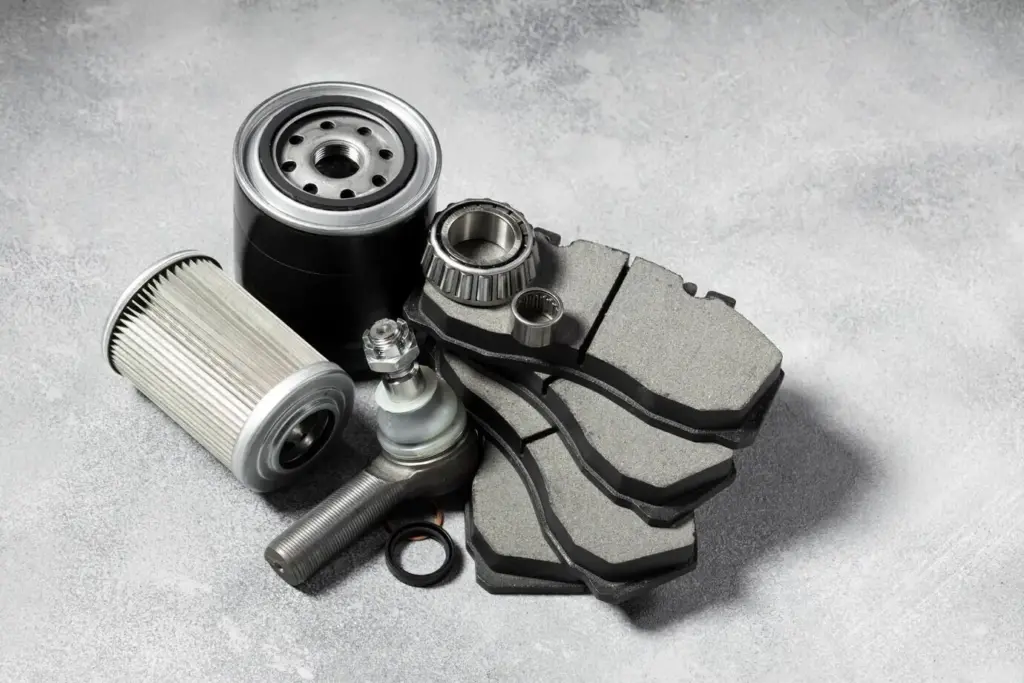
Tools, supplies, and small helpers that make everything easier
Gather a funnel, clean rags or shop towels, nitrile gloves, a flashlight, sturdy wheel chocks, a drip pan, paper towels, and labeled containers with tight caps. Keep a notepad or phone ready to record levels, part numbers, and dates. A basic OBD-II scanner can help decode warning lights, while a handheld inspection mirror uncovers hard-to-see leaks. With everything within reach, you move slowly, avoid messes, and complete checks without frantic searches or improvising with the wrong container.
A calm, level workspace that keeps mistakes away
Park on a level surface to ensure accurate fluid readings, especially for oil. Engage the parking brake, chock a wheel, and switch off the engine to let temperatures drop. Open the hood gently and use the prop securely. Good lighting and ventilation reduce strain, while a clean floor helps you spot new drips quickly. Keep absorbent material nearby for spills, and stage your tools on a tray. A thoughtful layout eliminates rushing, confusion, and cross-contamination between different automotive fluids.
Your owner’s manual: the most valuable guide you already own
Your manual lists correct oil viscosity, coolant type, transmission and power steering specifications, reservoir locations, fill capacities, and recommended service intervals. It clarifies whether a transmission is sealed, what coolant chemistry your vehicle requires, and exactly which warnings matter. Snap photos of relevant pages, bookmark maintenance tables, and write important specifications on masking tape near shelves. This quick-reference habit prevents expensive mistakes, like mixing incompatible coolants or using the wrong brake fluid, and keeps your maintenance beautifully consistent.
Meet the Lifebloods Under the Hood
Each fluid does a unique, critical job that keeps your car smooth, safe, and efficient. Engine oil cushions metal surfaces, coolant carries heat away and blocks corrosion, brake fluid transfers pedal pressure into stopping power, transmission fluid lubricates and cools gears, power steering assists effortless turning, and washer fluid protects visibility. Understanding what each does, how it ages, and what healthy levels look like builds intuition, helping you notice subtle changes early and act before small issues become big repairs.

Engine oil keeps metal from touching metal
Oil forms a protective film between fast-moving parts, reducing friction, heat, and wear. Over time it collects contaminants and its additives deplete, so color, smell, and feel can hint at age and health. Modern engines often prefer specific viscosity grades and certified specifications. Regular checks catch low levels that accelerate wear or trigger lifter noise. Know whether your driving patterns justify shorter intervals, and remember that a high-quality filter supports oil longevity, cold starts, and reliable protection in all seasons.
Coolant carries heat away and shields against corrosion
Coolant flows through the engine and radiator, preventing overheating while inhibiting scale and internal corrosion. Different chemistries—like OAT, HOAT, or traditional formulations—should not be mixed, and concentrations matter for freezing and boiling protection. A proper 50/50 blend with distilled water is typical, though extreme climates may vary. Cloudy, rusty, or oily coolant signals trouble. Low levels can trap air pockets that reduce heater performance and overwork the water pump. Respect pressure, open caps only when cool, and follow manufacturer guidance closely.
Brake fluid turns foot pressure into stopping power
Brake fluid is hygroscopic, gradually absorbing moisture that lowers its boiling point and can corrode internal components. Most cars specify DOT 3, DOT 4, or DOT 5.1 glycol-based fluid; avoid mixing silicone-based DOT 5 with these systems. Darkened color can hint at age or contamination. Low levels might indicate worn pads or leaks at lines, calipers, or wheel cylinders. A spongy pedal demands urgent attention. Keep the reservoir clean, avoid introducing dirt, and top only with the exact specification your manual lists.
Simple Checks You Can Do Today
A calm routine brings consistent results: work on level ground, start with a cool engine when required, and follow the markings molded into each reservoir. Oil is often checked warm but rested; coolant must be checked cold; brake fluid reads best visually through translucent plastic. Lighting, patience, and a clean rag do wonders. Snap photos to document before-and-after levels. Gentle inspections reveal early patterns—slow declines, unusual colors, or small drips—so you can act promptly and avoid surprise repairs or breakdowns.
Adding oil with confidence and zero mess
Confirm the exact viscosity and certification listed in your manual or under-hood decal. Use a clean funnel, add small amounts, then wait a minute before rechecking the dipstick to avoid overshooting. Wipe spills promptly to spot future leaks easily. Replace the oil cap securely and listen for unusual ticking that might indicate low pressure. If repeated top-ups are needed, inspect for seepage around the filter, drain plug, valve cover gaskets, or turbo feed lines. Record mileage and quantity to track any developing pattern.
Mixing and topping coolant the smart, season-ready way
Match the coolant chemistry precisely and, when required, mix with distilled water to achieve the recommended ratio. Use a dedicated funnel, pour slowly into the expansion tank, and avoid filling above MAX. After topping, run the engine with the heater on to circulate, watching for steady temperature readings and firm hoses. Some systems require a bleed procedure to remove trapped air. Never mix universal claims casually; confirm compatibility through the manual or manufacturer website. Label leftover jug mixtures clearly to prevent future cross-use mistakes.
Catch Problems Early and Stay Ahead
Little clues appear long before big repairs arrive. Staining under the car, sweet smells, rising engine temperatures, or a spongy pedal all speak a language you can learn. Color helps: red often suggests transmission fluid, green or orange might be coolant, amber can be brake fluid, dark brown indicates aged oil, and blue often means washer fluid. Take photos, slide cardboard under the engine overnight, and note positions. With steady observation, you’ll time professional help perfectly and avoid roadside surprises.
Decode drips by color, feel, and location
Place clean cardboard beneath the engine bay to map drips. Oily black or brown near the center often suggests engine oil. Reddish drops closer to the transmission area may indicate ATF, while bright green, orange, or pink can hint at coolant. Slippery, clear-to-amber near wheels might be brake fluid—stop driving immediately if suspected. Smell helps: coolant is sweet, oil is earthy, and fuel is obvious. Photograph progress daily, compare sizes, and monitor reservoir levels to confirm whether seepage is stable or worsening.
Warning lights, hot gauges, and what to do next
If an oil pressure light flashes, shut down immediately and verify level. A rising temperature gauge demands pulling over safely, turning off the engine, and allowing full cool-down before touching caps. Brake warnings require immediate inspection; don’t risk a drive. Transmission warnings may indicate overheating or fluid issues—reduce load and seek service. Document exactly when alerts appear, recent weather, and driving conditions. These details help professionals pinpoint causes quickly, reducing diagnostic time, total cost, and the stressful limbo of uncertain problems.
When DIY stops and expert help becomes the smartest choice
Certain signs call for professional diagnostics: foamy power steering fluid, milky oil suggesting coolant intrusion, repeated coolant loss, sudden brake level drops, or chronic ATF leaks. Warranty coverage and technical service bulletins can guide timing. If brakes feel soft or the engine overheats, tow the vehicle rather than risking damage. Bring logs, photos, and purchase receipts to your appointment. Clear records shorten visits, strengthen resale value, and help technicians confirm your careful maintenance, saving labor hours while protecting crucial components from escalating harm.

Organize fluids safely for family, pets, and peace of mind
Designate a clearly labeled bin for oil, coolant, brake fluid, washer solution, and small funnels. Keep everything sealed, upright, and away from heat sources or direct sun. Antifreeze is toxic yet sweet-tasting to pets—store it impossibly out of reach. Use secondary containment trays to catch weeps. Keep a printed list of what you own, with purchase dates and compatibility notes. Simple organization prevents accidental mixing, duplicated purchases, and emergency store runs, while reinforcing safer habits every time you open the garage door.

Clean up spills quickly without spreading harm
Act immediately with absorbent granules, kitty litter, or specialized pads, pressing gently to pull liquids from porous floors. Scoop into a sealable bag and dispose according to local regulations. Wipe surfaces with dedicated rags and avoid washing spills into drains. For stubborn residues, use a degreaser approved for garage floors, then rinse into a contained area if permitted. Ventilate well and wear gloves. Quick, careful responses prevent slippery hazards, protect pets, and keep your workspace inviting for future maintenance sessions and confident learning.

Recycle and log maintenance to build long-term value
Take used oil and filters to an approved recycler, and verify their coolant acceptance policy. Photograph receipts and attach them to digital notes documenting dates, mileage, quantities added, and observations. These records elevate resale value and guide predictive care by revealing trends. Share your routine in the comments, ask questions, and subscribe for printable logs, torque reference cards, and seasonal reminders. Responsible recycling keeps toxins out of waterways, while consistent documentation transforms casual tinkering into a proud, well-managed ownership experience that truly lasts.